
Latest Products



Contact Us
- Room 1204, Vanke Huizhi Center, No. 56 Xifeng Road, Yanta District, Xi'an, Shaanxi, China.
- Chriswang@sheerherb.com
- +86 132 8987 3310

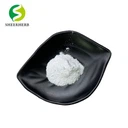
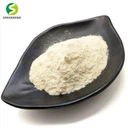
Food Grade L-Glycine Powder
Product Name: Glycine
Appearance: White to off-white crystalline powder
Cas: 56-40-6
Chemical formula: C2H5NO2
Grade: Industrial grade
Brand: Sheerherb
Shelf life: 24 months
Storage: Cool and dry place
Description
What is Glycine?
Glycine as a whole is a polar molecule (all amino acids are polar), but it is classified as a nonpolar amino acid. This is because the polarity of an amino acid is judged based on the nature of its R group, not the entire molecule. The glycine branched chain is a hydrogen atom and it is classified as a hydrocarbon chain, which is non-polar. Similarly, although it is readily soluble in water, it is a hydrophobic amino acid.

Of course, some people think that the side chain of glycine is between polar and non-polar, and its R group is only a hydrogen atom, which has little influence on the highly polar amino and carboxyl groups. However, it is generally classified as non-polar in biology.
Glycine Function
● Food
1. It can be used as a biochemical reagent, and can also be used in medicine, feed and food additives. It can be used as a non-toxic decarburizer in the nitrogen fertilizer industry;
2. Used as a nutritional supplement, mainly used for seasoning and other aspects;
3. It has a certain inhibitory effect on the reproduction of Bacillus subtilis and Escherichia coli, so it can be used as a preservative for surimi products, peanut butter, etc., and the addition amount is 1% to 2%;
4. It has anti-oxidation effect (using its metal chelation effect), adding it to butter, cheese, and margarine can extend the shelf life by 3 to 4 times;

5. In order to stabilize lard in baked goods, 2.5% glucose and 0.5% glycine can be added;
6. Add 0.1% to 0.5% to the wheat flour used for instant noodles, and it can also play a seasoning role;
7. It can buffer the taste of salt and vinegar, etc., and the addition amount is 0.3% to 0.7% for salted products, and 0.05% to 0.5% for pickled products;
8. According to my country's GB2760-96 regulations, it can be used as a spice.
● Medicine
1. It is used as a medicine for the research of medical microbiology and biochemical amino acid metabolism;
2. Used as a synthetic raw material for aureomycin buffer, anti-Parkinson's disease drug L-dopa, vitamin B6, and threonine;
3. Treatment of myasthenia gravis and progressive muscle atrophy;
4. Treatment of hyperesteridemia and chronic enteritis (often combined with antacids);
5. When combined with aspirin, it can reduce its irritation to the stomach;
6. Treatment of hyperprolineemia in children;
7. As a nitrogen source for generating non-essential amino acids, add it to the mixed amino acid injection.
● Agriculture
1. It is mainly used as an additive and attractant for adding amino acids to feed for poultry, livestock and poultry, especially pets. Used as a hydrolyzed protein additive, as a synergist for hydrolyzed protein;
2. In the production of pesticides, it is used to synthesize the intermediate glycine ethyl ester hydrochloride of pyrethroid insecticides, and can also synthesize the fungicide iprodione and the herbicide solid glyphosate.

● Industry
1. Used as an additive in electroplating solution;
2. Used in pharmaceutical industry, biochemical experiment and organic synthesis;
3. Used as raw materials for cephalosporins, thiamphenicol intermediates, intermediates for the synthesis of imidazole acetic acid, etc.;
4. Used as cosmetic raw material.
● Reagent
1. Used in peptide synthesis, as amino acid protection monomer;
2. It is used for the preparation of tissue culture medium and the inspection of copper, gold and silver;
3. Because glycine is a zwitterion with amino and carboxyl groups, it has strong buffering properties and is often used to prepare buffers;
4. Used as complexometric titration indicator and solvent
You Might Also Like


