1. What is allantoin
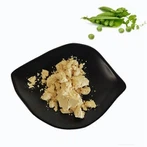
Allantoin, also known as dihydroxyallantoic acid aluminum, it is an odorless white powder, amphoteric compound, soluble in sodium hydroxide, allantoin saturated aqueous solution shows weak acidity, pH 5.5.
It has the functions of emollient and moisturizing, promoting cell growth, speeding up the renewal process, and eliminating ulcers and redness.

2. The difference between allantoin and urea
Allantoin is both a derivative of urea and a complex of urea. For the skin, the two have similar effects in moisturizing and locking water and softening the stratum corneum, but they have different efficiencies. 0.2% allantoin is equivalent to 10%~20% urea, and allantoin does not have the irritating shortcomings of urea. At the same time, it also has the effects of promoting cell growth and accelerating wound healing. It is a good healing agent and anti-ulcer agent for skin wounds.
3. Efficacy of allantoin
Emollient Repair:
Allantoin has a good emollient effect, especially for chapped and rough skin, it can restore smoothness and moisture, and at the same time, it can enhance the water absorption capacity of the outermost layer of skin and hair, improve the hydrophilicity of keratin molecules, and make the damaged The cuticle is repaired, restoring its natural water-absorbing capacity.
Moisturizing:
Allantoin promotes the water absorption capacity of the outermost layer of the skin and hair, and reduces the evaporation of skin water. At the same time, it can also form a lubricating film on the surface of the skin to seal the water, so as to achieve skin moisturizing.
Soften horny:
Allantoin has a unique keratin-dissolving property. While peeling off metabolic waste cutin, it fills the intercellular space with water to make the skin moist and shiny.