Latest Products



Contact Us
- Room 1204, Vanke Huizhi Center, No. 56 Xifeng Road, Yanta District, Xi'an, Shaanxi, China.
- Chriswang@sheerherb.com
- +86 132 8987 3310

Luteolin Powder
Type: Herbal Extract, Sophora Japonica budl extract
Part: Bud
Packaging: Drum, Plastic Container, Vacuum Packed
Grade: Food grade
Size: 100% Pass 80 Mesh
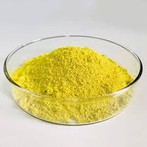
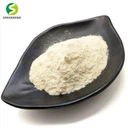
Appearance: Yellow powder
Form: Powder
Place of Origin: China, Shaanxi China
Storage: Dry Place
Specification: 98%
Description
What is Luteolin Powder?
Luteolin powder is a natural flavonoid compound found in many plants. It has a variety of pharmacological activities, such as anti-inflammatory, anti-allergic, uric acid-lowering, anti-tumor, antibacterial, antiviral, etc. It is mainly used clinically for cough relief, expectoration, anti-inflammatory, uric acid-lowering, cardiovascular disease treatment, and treatment of "amyotrophic lateral sclerosis", SARS, hepatitis, etc.
Luteolin is mostly present in a variety of plants in the form of glycosides. Among these plants, whole-leaf green orchid, pepper, wild chrysanthemum, honeysuckle, and perilla have higher content. It has antitussive and expectorant effects. According to the latest research, respiratory symptoms such as cough, sputum, and wheezing are all related to chronic respiratory inflammation. For example, cough, sputum, and wheezing caused by bronchial asthma, chronic obstructive pulmonary disease, chronic pharyngitis, allergic rhinitis, etc. are all believed to be related to local inflammatory infiltration. The presence of inflammation confuses the immune response of the airway and increases airway reactivity. The first means of treatment is to eliminate the chronic inflammatory infiltration of the airways. Commonly used drugs to eliminate airway inflammation include glucocorticoids, but glucocorticoids have many side effects and are not suitable for long-term use. Studies have shown that luteolin powder can inhibit the phosphorylation of macrophages, inhibit the activity of transcription factor NF-kB, and inhibit the production of cytokines IL-6 and TNF-a by macrophages induced by lipopolysaccharide (LPS). Studies have also shown that luteolin can inhibit uric acid production and promote uric acid excretion. The latter two cytokines play a very important role in the inflammatory mechanism and are sensitive indicators of the degree of inflammation. Luteolin powder can also increase IFN-γ, reduce specific Ig-E, and reduce the infiltration of eosinophils. In addition to its anti-inflammatory and anti-allergic effects, luteolin also has anti-PDE, anti-SARS, and HIV virus effects. The reason is that it inhibits the activity of the pre-S protein of the SARS virus, thereby preventing it from entering the host cell. It is used to treat chronic cough, bronchial asthma, chronic pharyngitis and allergic rhinitis caused by COPD.

Certificate Of Analysis
|
Item |
Specification |
Result |
Test Method |
|
Active Ingredeints |
|||
|
Luteolin |
NLT 99% |
99.6% |
HPLC |
|
Physical Control |
|||
|
Appearance |
Fine powder |
Conform |
Visual |
|
Color |
Yellow |
Conform |
Visual |
|
Odor |
Characteristic |
Conform |
Organoleptic |
|
Loss on Drying |
NMT 0.5% |
<0.5% |
USP<731> |
|
Ash |
NMT1.0% |
<1.0% |
USP<281> |
|
Chemical Control |
|||
|
Total Heavy Metals |
NMT 10ppm |
Conform |
USP<231> |
|
Arsenic (As) |
NMT 2.0ppm |
Conform |
ICP-MS |
|
Mercury(Hg) |
NMT 1.0ppm |
Conform |
ICP-MS |
|
Cadmium(Cd) |
NMT 2.0ppm |
Conform |
ICP-MS |
|
Lead (Pb) |
NMT 0.5ppm |
Conform |
ICP-MS |
|
Microbiological Control |
|||
|
Total Plate Count |
NMT 10,000cfu/g |
Conform |
USP<2022> |
|
Yeast, Mold & Fungi |
NMT 300cfu/g |
Conform |
USP<2022> |
|
E.Coli |
Negative |
Conform |
USP<2022> |
|
Staphylococcus |
Negative |
Negative |
USP<2022> |
|
Salmonella |
Negative |
Conform |
USP<2022> |
|
Packing and Storage |
|||
|
Packing |
Packed in food-grade plastic bag inside and aluminum-foil bag outside.25Kg/Drum |
||
|
Storage |
Store in a well-closed container away from moisture and direct sunlight. |
||
|
Shelf Life |
24 months if sealed and stored properly. |
||
Pharmacological Activity
1. Anti-inflammatory
It is believed that the anti-inflammatory activity of luteolin is related to the inhibition of nitric oxide (NO) and other inflammatory cytokines such as tumor necrosis factor-α (TNF-α), interleukin-6 (IL-6), and the inhibition of protein network Amino acid phosphorylation and gene expression mediated by nuclear transcription factor KB (NF-KB).

2. Anti-tumor
Luteolin mainly inhibits tumor cell growth factors by changing cell signaling pathways or changes kinase activity to resist cancer cell infiltration, and can also inhibit tumor cell growth by blocking cell cycle and other methods. Studies have shown that: luteolin can selectively inhibit the fatty acid synthase activity of prostate cancer and breast cancer cells, which is related to its anti-tumor cell growth and apoptosis; luteolin can significantly reduce the incidence of colon cancer caused by dimethylhydrazine And the size of the tumor, which is related to its ability to regulate lipid peroxidation, anti-oxidation, and anti-proliferation; ) secretion and down-regulate the expression of extracellular signal-regulated kinase 2 (ERK2).

3. Anti-allergic
Luteolin can inhibit the release of immunoglobulin E (IgE)-mediated allergy transmitters produced by human mast cells, including histamine, leukotrienes, prostaglandin D2, and monocyte-macrophage colony-stimulating factor. The effect may be related to inhibition of Ca2+ influx and activation of protein kinase C (PKC) translocation.
4. Anti-inflammatory demyelinating diseases
Luteolin can dose-dependently protect oligodendrocytes against hydrogen peroxide-induced oxidative damage in vitro, strongly inhibit the phagocytosis of myelin sheath by macrophages, significantly reduce the generation of reactive oxygen species in cells, and reduce the expression of iNOS protein. At low doses, the level of NO produced by macrophages was significantly reduced.

5. Anti-fibrosis
Luteolin can reduce the degree of liver fibrosis, reduce the content of hydroxyproline (HYP), malondialdehyde (MDA) and the expression of type I procollagen mRNA in liver tissue, and inhibit the growth of hepatic stellate cells (HSC) in vitro. Proliferation and collagen synthesis. It can also improve the histopathological changes of pulmonary fibrosis caused by bleomycin, reduce the lung weight index, significantly reduce the increase of MDA and HYP, and inhibit the expression of transforming growth factor-β1 (TGF-β1) mRNA in lung tissue , in vitro can inhibit the proliferation of human embryonic lung fibroblasts and promote their apoptosis.
Contact Us
E-mail: chriswang@sheerherb.com
Whatsapp: +86 13289873310
Wechat: +86 13289873310
You Might Also Like