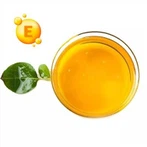
What are plant extracts?
Plant extracts are substances derived from plants (such as herbs, spices, essential oils, etc.), extracted or processed using appropriate solvents or methods (such as concentration, distillation, extraction, separation, and drying).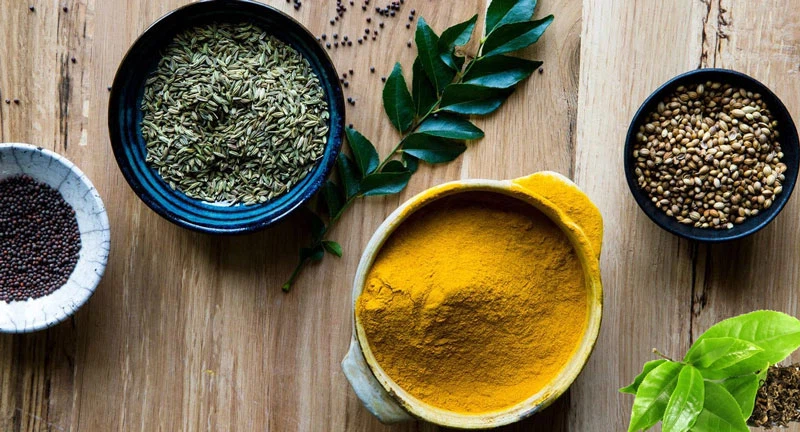
How are plant extracts classified?
According to different properties, it can be divided into vegetable oil, extract, powder, lens, etc.; according to its function, it can be divided into growth promoter, immune regulator, antioxidant, flavoring agent, deodorant, antifungal agent, product quality improver, etc. According to the different components of the extract, it can be divided into alkaloids, flavonoids, polysaccharides, glycosides, volatile oils, organic acids and other compounds.
Main components of plant extracts

(1) Alkaloids, that is, plant alkaloids, are important active ingredients of Chinese herbal medicines, such as the alkaloids in Huanglian and ephedrine in ephedra.
(2) Flavonoids have antibacterial, anti-inflammatory, anti-oxidant and other biological activities. Common flavonoids include propolis, soybean isoflavones, anthocyanins, and tea polyphenols.
(3) Polysaccharides have the functions of lowering serum cholesterol, anti-cancer and anti-cancer, and regulating immunity, such as Ganoderma lucidum polysaccharide, lentinan, algae polysaccharide, etc.
(4) Glycosides are substances composed of sugars, phenols, and flavonoids. Different types of aglycones have different physiological activities and have various functions.
(5) Volatile oils, also known as essential oils, are oily liquids with aroma and volatility. Common volatile oils include peppermint oil, rose essential oil, and garlic oil.
(6) Organic acids such as citric acid, lactic acid, malic acid, and ascorbic acid are the most effective substitutes to antibiotics and can play a role in regulating the intestinal flora.
Are plant extracts food additives or food?
According to the "Rules for the Use of Food Additives", some plant extracts can be used as food additives. According to their functions, they can be mainly divided into:
(1) Antioxidants: rosemary extract, tea polyphenols, licorice antioxidants, etc.;
(2) Natural spices: clove bud tincture, bay leaf extract, ginger extract, licorice extract, aloe extract, etc.;
(3) Coloring agents: beet red, caramel color, curcumin, capsicum red, citrus yellow, etc.;
(4) Sweeteners: thaumatin, steviol glycoside, mogroside, etc.
The top five raw materials for food and beverage applications containing plant extracts tracked globally are: rosemary extract, hop extract, onion extract, guarana extract, and Luo Han Guo extract.
Rosemary extract
Rosemary extract is a non-volatile natural spice extracted from rosemary with good antioxidant and antibacterial effects. It is rich in terpenoids, flavonoids and phenolic substances. Approved by countries and regions as food additives. Rosemary extract has obvious effects in preventing oil oxidation and maintaining the flavor of meat, so it can be well applied to fried and baked foods.
Hops Extract
Hops were first used in Germany, and the Germans first added hops when brewing beer, so that the beer had a refreshing bitter taste and a fragrant aroma. In recent years, studies have found that hops contain various chemical components such as resins, volatile oils, polyphenols, and polysaccharides, and have biological activities such as antitumor, antioxidation, and antibacterial. In addition to being used to brew beer, some juices, sodas, kombucha, and even snacks have begun to add hops to form the flavor of beer
Onion is one of the plants with both medicinal and edible uses, and it contains more flavonoids, especially in the onion skin. Flavonoids have various effects such as antibacterial, anticancer, hypoglycemic, hypolipidemic, and antioxidative. Onion extract is expected to be widely used in the field of food preservation because of its good antibacterial and antioxidant effects.
Guarana contains a substance that is very similar to caffeine and has similar effects to caffeine. It has the effect of improving the body's endurance, can stimulate the central nervous system, and increase the body's metabolic rate. In recent years, the energy drink industry has started to replace caffeine with guarana extract.
Monk Fruit Extract
Monk fruit extract is rich in mogroside, which is 300 times sweeter than sucrose. It has a hypoglycemic effect and can be used to assist in the treatment of diabetes. It is rich in vitamin C and has anti-aging, anti-cancer and skin-beautifying effects. It can be widely used in nutrition and health products, infant food, puffed food, seasoning, middle-aged and elderly food, solid beverage, pastry, cold food, convenience food, instant food, etc.