
Studies have shown that the number of facial pores increases significantly from adolescence, and sebum secretion begins to increase from adolescence, and reaches its peak in 30 to 40 years old. Changes in skin texture increase significantly from the age of 20, and this change is related to the surface roughness of the skin. Pigmentation begins to increase significantly from the age of 20 to 30, mainly related to the excessive production of melanin caused by ultraviolet radiation. Wrinkles increase significantly from the age of 30 to 40, reflecting changes in skin structure caused by deterioration of the physical structure of the dermis, such as changes in elastin below the epidermis and collagen in the dermis. Pigmentation and wrinkles also increase significantly between the ages of 60 and 70. Pigmentation, wrinkles, and texture are highly associated with visible aging of facial skin. Skin aging seriously affects health and beauty, and cosmetics play an important role in delaying skin aging.

How does cosmetics delay skin aging?
Skin aging is affected by multiple factors, including oxidative stress, mitochondrial DNA mutations, DNA damage, telomere shortening, and hormonal changes, and autophagic impairment has also been implicated in the aging of skin cells. Cosmetics anti-aging is not only a method of delaying aging based on the theory of aging, but also a targeted measure based on local signs of aging. It is mainly achieved through the following aspects:
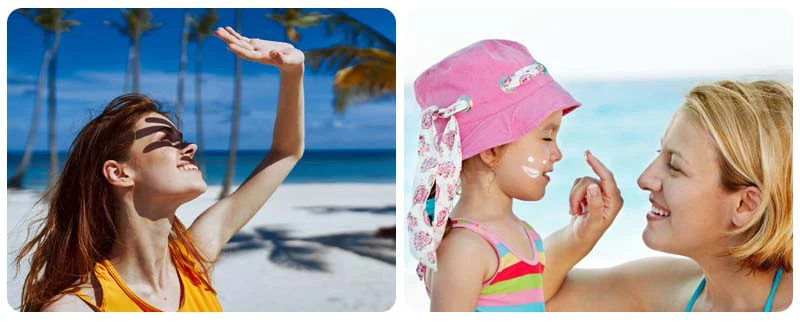
1. Sun protection
Skin aging can be caused by UV exposure, pollution, sleep, stress, nutrition, temperature and smoking. Among them, photoaging caused by ultraviolet rays is the most important factor. The main method of sun protection in cosmetics is to add organic ultraviolet absorbers to cosmetics. In addition, inorganic particles such as 0.03-0.05 μm and 0.2-0.4 μm titanium dioxide can increase the reflection of cosmetic coatings on ultraviolet rays and make physical reflection sunscreens cosmetic.
2. Moisturizing and hydrating
Sodium hyaluronate, collagen, polyethylene glycol and other macromolecular water-locking ingredients in cosmetics can lock a certain amount of water on the skin surface to slow down the evaporation of water in the skin; ceramides, fatty acids, etc. can repair fat double molecules layer, thereby repairing the barrier function of the stratum corneum; cosmetics penetrate into the skin some small molecular water-locking ingredients such as glycerin, propylene glycol, amino acids and their salts, sodium pyrrolidone carboxylate (PCA-Na), betaine, and small molecular sugars can increase the skin’s moisture content. content of moisturizing factor.
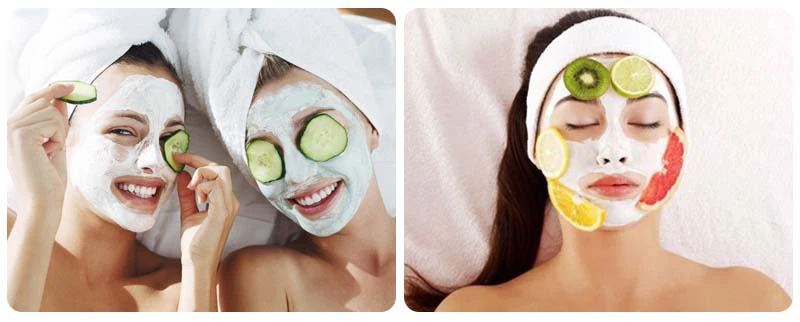
3. Anti-oxidation and anti-glycosylation
The most widely used anti-oxidation method in cosmetics is to supplement antioxidant ingredients, mainly supplementing: vitamin C, vitamin E, coenzyme Q10, glutathione, α-lipoic acid, seaweed polysaccharide, carotenoids (vitamin A and its derivatives) astaxanthin, lycopene), flavonoids (gingko biloba extract, phytoestrogens, etc.), polyphenols [tea polyphenols (green tea extract), ellagic acid (pomegranate peel extract), resveratrol ( grape, grape seed, red wine extract), chlorogenic acid (honeysuckle extract), etc.
The antioxidant effect of cosmetics can effectively prevent the glycosylation induced by free radicals or free radicals in the skin. The main purpose of adding vitamin B6, carnosine, phloretin and phlorizin to cosmetics is to capture active carbonyl to resist glycation.

4. Collagen synthesis and protection
The production of collagen requires the participation and promotion of some active ingredients. Vitamin C, Centella asiatica extract, phytoestrogens, and brown algae extract are ingredients often added to cosmetics to promote fibroblast activity and increase collagen synthesis. In addition, Pulsatilla saponin hydrolyzate and Eucommia water extract are also used to promote collagen synthesis.

5. Enhance cell vitality
Vitamin A and its derivatives, vitamin B5, and allantoin in cosmetics can permeate through the skin and affect cell vitality. Among them, vitamin A, also known as epithelial cell regulator, is used to enhance the vitality of basal cells, and has been widely used in cosmetics. Vitamin B5 participates in the metabolism of energy, protein, sugar and fat in the form of coenzyme A in cells, and promotes phospholipid synthesis. Allantoin has the effect of promoting cell growth and is a common active ingredient in repairing cosmetics.


