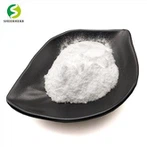
Vitamin C, also known as ascorbic acid, is an essential nutrient for humans and a few other organisms. Many animals can use glucose to synthesize vitamin C, but humans can only get it from food.

As an essential nutrient for the human body, vitamin C does have many important physiological functions. Naturally, it cannot be lacked, but more is not always better. If you pay attention to food selection and cooking methods, you can get it from a normal diet without additional supplements.
Vitamin C is also the one with the largest daily requirement of all vitamins (for ordinary adults, the recommended dietary supply of nutrients for most vitamins is below 20 mg/day, while vitamin C is 100 mg/day) . Vitamin C is usually only found in plant foods, and animal foods basically do not contain vitamin C. All kinds of fresh vegetables and fruits are her main sources.
Food Sources of Vitamin C
The best food sources mainly include: prickly pear, fresh dates, kiwi fruit, etc.;
Good food sources mainly include: pepper, bitter melon, citrus, tomato, cauliflower, strawberry, lychee, green leafy vegetables, etc.;
General food sources mainly include: cabbage, celery, lettuce, pumpkin, pears, apples, bananas, peaches, cherries, etc.;
Scarce food sources include: animal foods such as livestock and poultry meat, fish, eggs, milk, and several plant foods such as dried soybeans.

What's good about taking vitamin C?
1. Promote collagen formation
Collagen is a protein distributed between connective tissue, blood vessels and bone and dentine cells, and is the basic support material of animal body shape. So it can make the cells arranged tightly, the skin firm, and the bones and teeth strong. After trauma or surgery, it can help cells repair and promote wound healing.
2. Enhance immune function
Vitamin C can promote the formation of antibodies and increase the concentration of antibodies such as IgA, IgG and IgM in the blood. These antibodies attach to foreign viruses and bacteria and direct white blood cells and lymphocytes to destroy them.

3. Promote mineral absorption
Vitamin C can promote the absorption of calcium, phosphorus, iron and other minerals in the small intestine, so it is very helpful for people with anemia or osteoporosis.
4. Reduce arteriosclerosis
Vitamin C can strengthen the organization of blood vessels and reduce the content of cholesterol in the blood. It has good preventive and therapeutic effects on arteriosclerotic cardiovascular diseases, high blood pressure, stroke and other adult diseases.

5. Antioxidant Free Radical and Antioxidant
Vitamin C is a strong antioxidant substance, which can effectively remove free radicals produced by long-term exposure to adverse environments.

6. Anti-tumor effect
The medical profession believes that free radicals are related to the occurrence of cancer or aging. Nitrite amine is a carcinogen. If there is enough vitamin C in the body, it can prevent the conversion of nitrous acid from pickled food to produce nitrite amine.
What is the effect of vitamin C deficiency?
The most well-known consequence of vitamin C deficiency is scurvy. Hundreds of years ago in Europe, sailors who sailed at sea for a long time often suffered from scurvy. Patients often had bleeding gums, and even skin congestion and bleeding, and finally died in pain. People have not been able to find out the cause. Strangely, as long as the ship docked, the disease quickly disappeared and healed. A doctor on board found through careful observation that it was difficult for sailors to eat fresh fruits and vegetables during the voyage. This may be the reason why the sailors were sick at that time