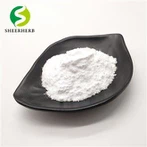
Hemp Seed Protein is a vegetable protein derived from the hemp plant, which is isolated from the hemp seed, a type of nut. The protein in hemp seeds consists of two highly digestible globular proteins, edlin (60–80%) and albumin, which is also rich in essential amino acids.

Nutrition Facts of Hemp Seed Protein
Smooth tasting with a light nutty flavor, hemp protein powder is an easily digestible protein that is very similar to protein in the human body. It has the highest known protein content in the plant kingdom and is an excellent source of protein.
Hemp seeds contain high amounts of amino acids, which are organic compounds that combine to form proteins, which are the building blocks of the human body.

Hemp protein provides essential body fats omega-3 and omega-6 in a healthy 3:1 ratio, and balancing their levels is an important function.
Hemp is also one of the few sources of hard-to-obtain gamma linolenic acid (GLA), a healthy plant-sourced omega-6 that is metabolized differently than other, less healthy omega-6s.
Several functions of hemp seed protein
1. Antioxidant
Hemp seed oil can increase the activity of superoxide dismutase (SOD) in the skin of subacute aging model mice, remove peroxides, improve protein metabolism, increase skin water content and improve skin shape and function, etc., and has a good anti-inflammatory effect. oxidation.
2. Improve cardiovascular health
Hemp protein powder contains linolenic acid, an omega-3 fatty acid that some studies have shown supports cardiovascular health.
3. Supports Bone Health
Hemp is naturally rich in the essential omega-6 fatty acid gamma linolenic acid (GLA), and studies have shown that people who don't get enough essential fatty acids, especially GLA and eicosapentaenoic acid (EPA), are more likely to experience bone loss . Omega-3s positively contribute to markers of bone turnover and may reduce fracture risk.
4. Improve memory
Hemp seed and its extracts can significantly improve the learning and memory ability of mice, significantly increase the spleen index of aging mice, and significantly reduce the content of MDA in brain tissue. Learning and memory ability of mice.
5. Immunomodulation
Hemp seeds contain globular vegetable proteins edestin (65% to 67%) and albumin (33% to 35%). These globular proteins are responsible for enzymatic functions in plasma as well as antibody formation, making them essential for robust immune function.
6. Other functions
Hemp seed protein can inhibit the growth of harmful Clostridium perfringens in the intestinal tract, significantly promote the growth of Bifidobacterium and Lactobacillus, and can regulate the level of cellulite in the body and the balance of intestinal flora. Promotes bowel movements and weight loss.