Latest Products




Contact Us
- Room 1204, Vanke Huizhi Center, No. 56 Xifeng Road, Yanta District, Xi'an, Shaanxi, China.
- Chriswang@sheerherb.com
- +86 132 8987 3310

Magnesium Threonate Powder
Product Name: Magnesium Threonate
Benefits: Improve memory or sleep
Origin: Shaanxi, China
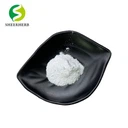
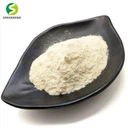
Appearance: White powder
Test method: HPLC
MOQ: 1KG
Brand Name: Sheerherb
Not applicable to the crowd: Pregnant women, teenagers, children, newborns
Product specification: 99%
Storage method: Cool and dry place
CAS number: 778571-57-6
Shelf life: 2 years
Description
What is Magnesium Threonate?
Magnesium L-threonate (MgT for short, pronounced "Mag T"), is a chemical. Professor Liu Guosong discovered it together with the teams from Tsinghua University and MIT.
Magnesium may be one of the most underrated supplements available today. Its health benefits are not as widely known as other popular supplements like vitamin C or vitamin E, but they are just as important. Magnesium not only aids in bone development, energy production and muscle contraction, but also in the development of the brain and nervous system.

Magnesium comes in many different forms, but magnesium L-threate is considered the gold standard. Magnesium threonate promotes cognitive function, reduces symptoms of anxiety and depression, and promotes muscle recovery. Magnesium l-threonate is known as a "host mineral" for various reasons.
Magnesium L-Threate Research Numerous studies have shown that the beneficial components of magnesium L-threate primarily target the brain. It has been shown to help with age-related memory loss, mood disorders, neuroinflammation, and enhance cognitive function.
Moderate amounts of magnesium supplements have been shown to improve mood, increase resistance to stress, improve focus and concentration, boost energy levels, and improve sleep quality.
It's also beneficial for a variety of conditions unrelated to brain health, such as asthma, muscle cramps, high blood pressure, osteoporosis, and heart disease.
Magnesium l-threonate only appeared in 2010. Therefore, unlike many other supplements, it does not have a long history of use.
Products Specifiaction
| Product Name | Magnesium L-Threonate Powder |
| Other Name | Mg L-Threonate |
| CAS | 778571-57-6 |
| Spec./Purity | 99% |
| Appearance | White Powder |
| Shelf Life | 2 Years |
| MOQ | 1KG |
| MF | C8H14MgO10 |
The following are the three known modes of action of magnesium L-threonate
1. Magnesium l-threonate easily crosses the brain's protective filter, the blood-brain barrier, and enters where the brain needs it.
2. Magnesium l-threonate has been shown to increase brain plasticity. Neuroplasticity (brain plasticity) is the brain's ability to change and grow, which underpins memory and learning.

3. There is evidence that magnesium threonate can increase brain-derived neurotrophic factor (BDNF), a protein that stimulates the formation of new brain cells.
L-magnesium threonate clinical trial results
So far, only one clinical trial of magnesium l-threonate has been published in a peer-reviewed medical journal. Study participants were older adults (ages 50 to 70) who reported problems with memory, concentration, anxiety and sleep. They were assessed on four areas of cognitive ability -- working memory, episodic memory, attention and executive function -- and finally a set of skills that help you set goals, plan and complete tasks. They took magnesium l-threonate for 12 weeks. Magnesium l-threonate increased magnesium levels in human brain cells, as the researchers expected from animal test results. When retested, all participants performed significantly better in these four cognitive domains. Magnesium l-threonate also significantly reduced their biological brain age. Based on standard tests, these older adults had brain function that was, on average, 0.4 years younger than when the study began.
What Are the Benefits of Magnesium L-Threate?
If supporting brain function is important to you, you might consider taking magnesium l-threonate. Not only has it been shown to increase circulating levels of magnesium in the brain, which helps protect the brain from age-related cognitive decline;
It also promotes three other areas of cognitive health:
1. Improves short-term and long-term memory
A clinical study published in the journal Neuron showed that boosting magnesium levels in the brain by using magnesium l-threonate can improve learning and memory. Memory Preclinical studies have shown that supplementation with magnesium l-threonate improves memory performance and enhances learning. In young and old rats, magnesium L-threonate was associated with 18% and 100% increases in short-term and long-term memory, respectively. In older rats, the effect was more pronounced. In a 2016 article in "Neuropharmacology", Liu Guosong et al pointed out that "combination of L-threoic acid (threoic acid) and magnesium (Mg2+) in the form of L-threoic acid magnesium salt (L-TAMS) administered orally, It can enhance learning and memory in young rats, and prevent memory decline in aging rats and Alzheimer's disease model mice." 5] People are also studying how magnesium therapy can improve dementia, post-traumatic stress disorder (PTsD), Depression, anxiety, and cognitive decline associated with aging. More research is needed to evaluate the efficacy of this supplement for enhancing memory performance in humans.

2. Supports Normal Brain Cell Stimulation
Your brain cells "talk" to each other through neurotransmitters, the brain's chemical messengers that transmit information and make you aware of the world around you. Healthy levels of magnesium help promote communication between neurons by maintaining stimulation of brain cell receptors associated with brain development, memory and learning. Maintaining normal neuronal stimulation is critical to maintaining mood, memory, and healthy cognitive function.

3. Formation of new brain cells and synapses
Adequate intake of magnesium helps the brain maintain and form healthy brain cells and synapses. This keeps your brain alive.
GABA is important for calming the brain and preventing the main excitatory neurotransmitter (glutamate) from overexciting neurons. Having enough GABA activity in the brain is important to prevent feelings of anxiety. Magnesium is involved in the synthesis of GABA, as well as other brain-regulating chemicals, such as the neurotransmitters serotonin and dopamine. A proper balance of these brain chemicals is important for maintaining a stable mood. Mg may also affect a region of the brain known as the paraventricular hypothalamic nucleus, which is known to regulate anxiety and stress responses. Although magnesium is generally associated with anti-anxiety pathways in the brain, the effects of magnesium l-threonate on anxiety have not been studied.

4. ADHD
Magnesium supplements have been used to promote attention span, behavioral control, and concentration in both adults and children. Population-based studies have shown a link between a deficiency of this mineral and attention deficit hyperactivity disorder. In a study of 116 children diagnosed with ADHD, 95 percent were found to be deficient in magnesium, reports the journal Examiner. Other studies have shown that children with ADHD have lower levels of magnesium in saliva samples than children without ADHD. Research also shows that increasing your intake of this mineral through dietary supplements can improve symptoms. In a 6-month study involving 50 children aged 7-12 with ADHD, taking 200 mg per day significantly improved ADHD compared to baseline levels. A cohort study involving 810 children suggested that Mg may improve efficacy when it is used with fish oil supplements that provide omega-3 fatty acids. Because magnesium l-threonate is a more bioavailable dietary supplement, it has been used to improve attentional control and hyperactivity in people with ADHD. However, there are currently no clinical trials to assess whether it works. While preliminary research suggests benefits of magnesium supplements, more research is needed to determine the effects of magnesium supplements on ADHD. The FDA has not approved magnesium as a drug to prevent, treat, or improve ADHD.
You Might Also Like