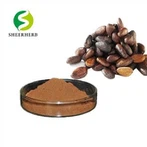
Natural astaxanthin is a carotenoid and the highest grade product of carotenoid synthesis, one of the strongest natural antioxidants in the world.Unlike other types of antioxidants, astaxanthin does not become a pro-oxidant in the body and therefore does not cause harmful oxidation. It effectively scavenges oxygen free radicals in cells and enhances cell regeneration.
What Is Synthetic Astaxanthin Powder Extract From?
There are also many ways to extract astaxanthin powder, such as crushing and extracting shrimp shells, artificial synthesis, fermentation by Rhodotorula yeast, microalgae cultivation, etc. The best astaxanthin on the market is synthesized by microalgae itself, especially pluvialis. Haematococcus is a single-celled plant with a relatively high content of natural astaxanthin powder in nature, and its bioavailability is higher.
What Are The Benefits Of Taking Astaxanthin?
1. Improves brain health
Astaxanthin is beneficial to brain health by protecting cognitive function.
2. Protects cardiovascular health
Astaxanthin can prevent atherosclerosis, protect the endothelium of blood vessels, promote blood flow and protect LDL cholesterol from oxidation
3. Make the skin glowing
It can help slow down the aging of the skin, make the skin have good antioxidant capacity, reduce fine lines and wrinkles, optimize skin elasticity, prevent sun damage, prevent age spots and hyperpigmentation, but also good to help increase the elasticity of the skin, help rejuvenate and moisturize the skin. Astaxanthin powder can also protect against radiation, often take medicine with electronic products, especially computer users are to take astaxanthin for conditioning. In addition, astaxanthin also helps to relieve fatigue.
4. Astaxanthin is benefit to weight loss
Although more research is needed on the benefits of astaxanthin powder for weight loss, there are indications that it may support metabolic activity, reduce weight gain associated with high-fat diets, and help combat fat accumulation in the liver. It may also increase fatty acid utilization and lower triglyceride levels, and may be particularly helpful in increasing the amount of fat used for energy expenditure during exercise.
To date, most studies on astaxanthin for weight loss have involved mice, but the results are encouraging, making astaxanthin a potential focus for future weight loss and diet-related research.
5. Astaxanthin is good for your eyes
Helps protect your eyes from blue rays and age-related vision problems. However, astaxanthin powder may also improve eye health by helping to increase blood flow to retinal capillaries, relax eye muscles, provide antioxidants to the eyes, and help relieve eye fatigue.
Lutein Vs. Astaxanthin
Lutein and astaxanthin are highly related members of a carotenoid called lutein, which is very important for your eye health. As a supplement to vitamin E, both lutein and astaxanthin act as strong antioxidants in tissue cell membranes. Although the sources of lutein and astaxanthin in your diet may be very different, lutein and astaxanthin share a similar chemical structure and potential health benefits.

Bioavailability
Lutein is a yellowish carotenoid pigment whose sources include kale, turnip greens, spinach, Swiss chard and collard greens. Astaxanthin is a red-pink carotenoid that is produced by green microalgae in response to stress. However, you don't necessarily need to start collecting algae from your local pond. Astaxanthin is present in fish, which consume algae from small marine animals. Astaxanthin is also used as a coloring agent in seafood and as a feed additive for farmed fish. Lutein and astaxanthin are digested along with dietary fats, and both compounds are transported in the blood and distributed to tissues as components of lipoproteins.
Eye Hygiene
High levels of lutein may be found in the retinal area of your eyes (called the macula). Algae produce astaxanthin powder to protect against UV radiation. Lutein, astaxanthin and lutein such as zeaxanthin can similarly filter and protect your eyes from UV and blue light, which can make you lose your hue and flaunt your pretty peepers more frequently in the sun. Harmful light can eventually produce a condition called age-related macular degeneration, which causes deterioration of vision and is common in older adults. To avoid this, include a food source of lutein in your diet to preserve your vision as you age.

Cardiovascular isease
Cardiovascular disease can lead to thickening of artery walls, which can prevent blood from flowing through the heart and brain. Both lutein and astaxanthin can help protect arteries from thickening by acting as antioxidants and inhibiting inflammation of the artery walls. The study found that human subjects with high levels of lutein in their blood had reduced artery wall thickening. Similar studies in humans and experimental animals support the role of luteolin in reducing the damaging effects of arterial disease.
What Foods Are High In Astaxanthin?
Foods with natural astaxanthin include salmon, shrimp, crab, lobster, red trout, krill, etc., and marine algae such as reef membrane, Ulva, kelp, wakame, seaweed, agarose, etc. Edible freshwater algae include Haematococcus pluvialis, ground fungus, and hair vegetables.
Haematococcus pluvialis is the most abundant astaxanthin-containing organism in nature, and its astaxanthin content can reach 3.0% of the dry weight, or even higher, known as the "concentrated product" of natural astaxanthin.

Salmon, trout, and rainbow trout are red, but don't fall into the "red meat" category because their red color comes mostly from astaxanthin, not heme. In living shrimp, astaxanthin is combined with protein, showing blue; after heating, protein denaturation releases astaxanthin to show red. Astaxanthin is also one of the carotenoids, which has super antioxidant capacity, and has the effects of improving immunity, anti-aging, and relieving fatigue. Astaxanthin gives many animals a beautiful red color, such as lobster, krill, crab, etc. Neither birds, crustaceans, nor fish can synthesize astaxanthin. Astaxanthin in their bodies comes from algae at the bottom of the food chain.
Can Astaxanthin Be Taken Long Term?Are there any side effects of Taking Astaxanthin?
Many people are afraid to take this type of health product simple because they are worried about not being able to take it for a long time. If you take astaxanthin for a long time, what kind of side effects it may bring?Let's learn about it.

At present, there is no statement about the side effects or contraindications of natural astaxanthin, so it can be regarded as a relatively safe health product.However, if you treat it as a health product, you must first know whether you can take it, and then you need to follow the doctor's guidance or take it correctly according to the instructions.
1, When you take astaxanthin, try to avoid staying up late, smoking and drinking too much, because these situations will offset its antioxidant effect.
2, If there are conditions, it is best to check to see what kind of changes in the lipid metabolites in the urine, and then according to the changes to see how effective the use.
3, Because astaxanthin is through the influence on the cells and control the cells of the organism to play a role, so some people will find that the symptoms of the organ change is not particularly obvious after using.
4, If the purpose of astaxanthin is to meet the needs of beauty, then it is advisable to choose the combination of internal and external use when taking it, so that the effect after use may be relatively ideal.
The dosage of astaxanthin ranges from 4 to 12 mg per day. It is possible to take astaxanthin for a long time. However, it is necessary to control the amount of astaxanthin when eating astaxanthin. Check the dosage properly to cause physical harm due to excessive consumption.