Latest Products



Contact Us
- Room 1204, Vanke Huizhi Center, No. 56 Xifeng Road, Yanta District, Xi'an, Shaanxi, China.
- Chriswang@sheerherb.com
- +86 132 8987 3310


Trans-Resveratrol
Product name: trans-resveratrol
Effectiveness: Promotion Development
Place of Origin: Shaanxi, China
Applicable: PeopleAdult, Men
Shelf-Life: 24months
Specification: 98%
Test Method: HPLC
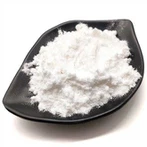
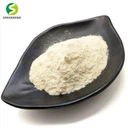
Appearance: White powder
Grade: Food Garde
Description
What is trans-resveratrol
Trans-resveratrol and resveratrol are two isomers that have similar chemical structures but slightly different molecular configurations. Specifically, the binding patterns between their benzene rings are different, which makes their physical and chemical properties different. Trans-resveratrol is an isomer of resveratrol with slightly different molecular structures. The content of trans-resveratrol in nature is low, but some studies have shown that trans-resveratrol also has certain benefits to human health.

Forms of trans-resveratrol
Resveratrol is a polyphenolic compound naturally present in some plants, which has been shown to have various biological activities, such as antioxidant, anti-inflammatory, anti-platelet aggregation, etc. These biological activities are considered to be helpful in the prevention and treatment of various diseases, such as cardiovascular diseases, diabetes, tumors, etc.
Trans-resveratrol is a relatively little-studied compound that occurs in a small amount in nature. Nevertheless, some studies have shown that trans-resveratrol also contributes to some biological activities. For example, some studies have shown that trans-resveratrol has a certain inhibitory effect on the proliferation of tumor cells and is also helpful to the enhancement of the human immune system. Resveratrol (Resveratrol), a polyphenolic compound naturally occurring in some plants, has antioxidant and anti-inflammatory effects, and is believed to have protective effects against various diseases such as cardiovascular diseases, tumors, and neurological diseases.
It should be noted that most commercially produced resveratrol health products or foods contain cis-resveratrol, while the content of trans-resveratrol is relatively low. Therefore, when choosing a resveratrol-related product, you should read the product label carefully to understand its ingredients and follow the directions for use.

Extraction process of trans-resveratrol
Trans-resveratrol is an isomer of resveratrol, and its content is relatively small, so its extraction is more difficult. Generally speaking, the extraction methods of trans-resveratrol include the following:
Chemical synthesis: Synthesize trans-resveratrol by chemical synthesis. The advantage of this method is that the yield is higher, but the cost is higher, and the purity is difficult to guarantee.
Biological fermentation: use microorganisms such as Escherichia coli to ferment resveratrol to produce trans-resveratrol. The advantage of this method is that the cost is low, but other impurities may be produced during the fermentation process and need to be further purified.
Natural extraction: Trans-resveratrol is obtained through natural extraction. Natural sources include red wine, red wine, etc., but the content of trans-resveratrol is low. Therefore, the disadvantage of this method is the lower yield.
It should be noted that no matter which method is used to extract trans-resveratrol, further purification treatment is required to ensure the purity and quality of the extract.

The efficacy of trans-resveratrol
1. Prolong life
In 2003, Howitz and Sinclair published a paper on resveratrol prolonging the lifespan of yeast in the authoritative Nature magazine. Subsequent studies used reptiles and fruit flies as samples and obtained exact results. Experiments with insects have been replicated by many other research groups. In 2007, its life-extending effect was confirmed in mice.

2. Anti-cancer and anti-mutation effects.
In 1993, research by Jayafilake et al. showed that both trans-resveratrol and cis-resveratrol have anticancer activity because they can inhibit the activity of protein-tyrosine kinase. The research team such as Jang further pointed out that resveratrol has great anti-cancer activity in the three stages of cancer occurrence, that is, initiation, promotion and development, and has inhibitory and even reversal effects on the three stages of cancer occurrence :
(1). Inhibition of initiation. Reduce the formation of free radicals, induce the increase of phase II pharmacokinetic enzymes, and antagonize the effect of dioxins;
(2). Inhibition of enhancement. Inhibit cyclooxygenase (COX), inhibit catalase;
(3). Inhibition of development. Inhibit cancer cell proliferation, induce cancer cell differentiation, and induce cancer cell apoptosis.

Resveratrol is expected to be used as an inhibitor of tyrosine protein kinase PTK. Many medical studies have found that resveratrol can inhibit breast cancer, gastric cancer, colon cancer, prostate cancer, leukemia, ovarian cancer, skin cancer and other malignant tumor cells. All have obvious inhibitory effect. In January 1997, a research team led by Professor John Pezzuto of the School of Pharmacy at the University of Illinois at Chicago published a paper entitled "Anticancer Activity of Resveratrol, a Natural Product of Grapes" in the American "Science" magazine. Caused a sensation in the medical science community.
The paper demonstrates that resveratrol can effectively inhibit cellular activities related to various processes of cancer. As an antioxidant, anti-mutagenic and anti-inflammatory agent, resveratrol has shown chemopreventive capabilities against cancer, can prevent cell cancer lesions and prevent the spread of malignant tumors, and can also inhibit protein chromine kinase, by preventing kinase function from Plays an anti-mutagenic role and can also inhibit cell inflammation. Resveratrol also inhibits cellular inflammation. Inflammation of the cells has been linked to arthritis and other diseases. Resveratrol can also inhibit protein tyrosine kinase, a substance that catalyzes tyrosine phosphorylation. This kinase is involved in mitosis-regulated intracellular cytoplasmic signaling. Inhibition of protein tyrosine kinases by resveratrol, possibly antimutagenic by preventing kinase function

3. Cardiovascular protection
In the folk, traditional Chinese medicine Polygonum cuspidatum rich in resveratrol has been used to treat and prevent hyperlipidemia and arteriosclerosis. Studies have shown that resveratrol mainly exerts anti-atherosclerosis and coronary heart disease protection from the following aspects:
(1). Regulating blood lipids;
(2). Inhibit platelet aggregation, promote fibrinolysis, and antithrombosis;
(3). Protect the vascular endothelium and inhibit the proliferation of endothelial cells;
(4). Protect vascular smooth machine cells and inhibit their proliferation;
(5). Anti-leukocyte effect;
(6). Antagonize the effect of endothelin-1 (ET-1);
(7). Anti-oxidation function of low-density lipoprotein.

You Might Also Like